

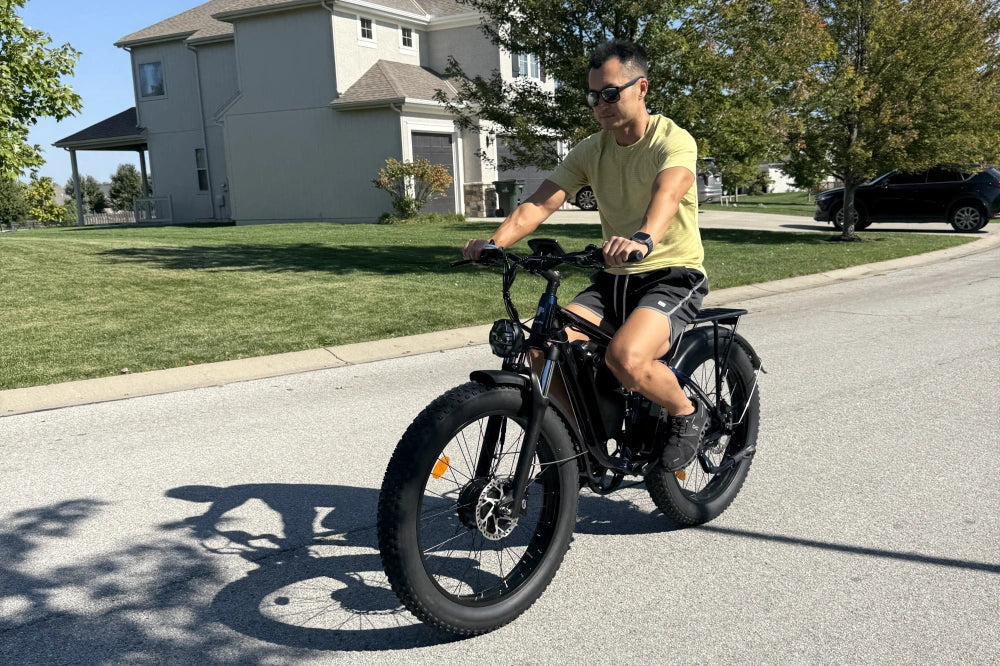
One of the most common questions new riders ask is simple but important: are electric bikes waterproof?
The short answer is no electric bike is 100% waterproof — but many are designed to handle rain, splashes, and wet roads safely when built correctly.
Waterproof vs Water-Resistant: Understanding the Difference
When discussing whether electric bikes are waterproof, it is essential to understand the difference between waterproof and water-resistant.
Waterproof implies complete protection against water immersion, while water-resistant means the bike can withstand limited water exposure such as rain or splashing.
Most modern ebikes are water-resistant rather than fully waterproof.
Why Waterproof Ratings Matter for Electric Bikes
Electric bikes combine mechanical and electrical components, which makes water protection critical.
Without proper sealing, moisture can damage motors, batteries, controllers, and displays.
Understanding IP Ratings Explained Simply
Manufacturers use IP (Ingress Protection) ratings to indicate how well components resist water and dust.
- IPX4: Resistant to water splashes from any direction
- IPX5: Protected against low-pressure water jets
- IPX6: Can handle strong water jets
- IPX7: Temporary immersion in water
Most reliable electric bikes fall between IPX4 and IPX6 for riding safety.
Which Ebike Parts Need Water Protection Most
Not all parts face equal risk when exposed to water.
The most critical components include:
- Motor
- Battery
- Controller
- Display and wiring connections
Are Ebike Motors Waterproof?
Most modern hub motors and mid-drive motors are sealed against rain and road spray.
Quality designs allow riders to safely commute in wet weather without concern.
High-performance models such as are electric bikes waterproof when designed with sealed motor housings and protected wiring paths.
Battery Waterproof Design Explained
The battery is the most valuable component of an electric bike.
Well-designed ebikes use sealed battery casings, waterproof connectors, and protected mounting positions.
This prevents water intrusion during rain rides and wet conditions.
Controller and Display Protection
Controllers manage power delivery and must be shielded from moisture.
Displays are usually rated to handle rain but should never be pressure-washed.
Is Riding an Ebike in the Rain Safe?
Yes — riding in the rain is generally safe if your ebike is properly designed.
Wet roads reduce traction, so riders should brake earlier and ride cautiously.
What About Puddles and Wet Trails?
Shallow puddles and wet surfaces are usually safe.
However, riding through deep water or flooding is never recommended, regardless of IP rating.
What Waterproof Does NOT Mean
Water-resistant electric bikes are not designed for:
- Submersion in water
- High-pressure washing
- Riding in floods
Understanding limits protects both rider and bike.
Maintenance Tips After Riding in Wet Conditions
After a rainy ride:
- Wipe down the bike
- Dry charging ports
- Store indoors when possible
These habits extend the lifespan of your ebike.
Choosing an Ebike Built for All-Weather Riding
If you ride year-round, waterproof design should be a priority.
Fat tire and off-road models often offer better sealing and protection.
Reliable choices such as are electric bikes waterproof solutions combine durability with all-weather performance.
Urban Commuting vs Outdoor Riding
City riders face rain, puddles, and road spray.
Trail riders encounter mud, damp soil, and splashes.
A well-built electric bike handles both with confidence.
Why FENGQS Focuses on Real-World Conditions
FENGQS designs electric bikes to perform beyond ideal weather.
Models like are electric bikes waterproof emphasize sealed electronics and practical riding reliability.
Final Thoughts
So, are electric bikes waterproof?
They are water-resistant, rain-ready, and built for real riding — when designed correctly ⚡
Understanding waterproof ratings helps riders make smarter, safer choices for every season.
Share:
Strong, Stylish, and Built to Ride: Electric Bicycles for Women Who Want More