

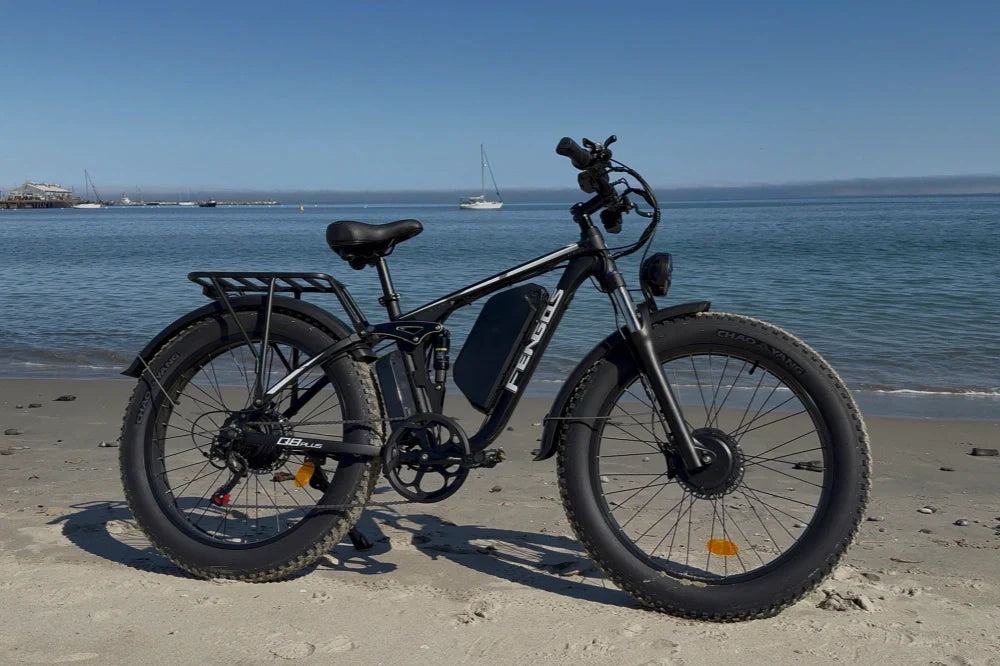
When shopping for an electric bike, one of the first terms you’ll encounter is “eBike class.” Understanding eBike classifications isn’t just about performance—it directly affects where you can ride, how fast you can go, and how comfortable the experience feels.
For riders who value smooth assistance, safety, and shared riding moments—especially around Valentine’s Day—a Class 1 eBike is often the most balanced option.
In this guide, we’ll break down what a Class 1 eBike is, how it compares to other classes, and why many 36V electric bike systems fit perfectly into this category. We’ll also explore how brands like FENGQS design eBikes for everyday riding and seasonal adventures.
What Is a Class 1 eBike?
A Class 1 eBike is an electric bicycle that provides pedal-assist only. The motor engages only when you pedal and stops assisting once the bike reaches 20 mph (32 km/h). There is no throttle involved.
- Pedal-assist operation only
- Maximum assisted speed of 20 mph
- Motor stops when pedaling stops
- Commonly allowed on bike paths and multi-use trails
Because of these characteristics, Class 1 eBikes are often considered the most natural and bicycle-like option among electric bikes.
Class 1 vs. Class 2 vs. Class 3 eBikes
Understanding the differences between eBike classes helps riders choose the right setup for their riding environment and lifestyle.
- Class 2 eBikes feature a throttle and can reach 20 mph without pedaling
- Class 3 eBikes provide pedal assist up to 28 mph and are usually restricted to roads and bike lanes
Compared to these, Class 1 eBikes prioritize control, predictability, and accessibility—making them ideal for recreational riding and shared paths.
Why 36V Electric Bikes Are Common in Class 1 Designs
Many Class 1 eBikes are powered by 36V electric bike systems because they deliver a balanced mix of efficiency and smooth power output.
A 36V setup typically offers:
- Natural and responsive pedal assistance
- Improved energy efficiency for longer rides
- Reduced torque spikes for smoother control
- A comfortable riding experience for different skill levels
For couples or casual riders, this balance makes riding together easier and more enjoyable.
Safety, Regulations, and Where You Can Ride
One major advantage of Class 1 eBikes is accessibility. In many regions, they are permitted on:
- Bike lanes
- Multi-use paths
- Recreational trails
- Urban cycling routes
While regulations vary by location, Class 1 eBikes generally face fewer restrictions compared to higher-speed classes.
Choosing the Right eBike Class for Your Riding Style
If speed and commuting efficiency are your priorities, higher classes may be appealing. However, if comfort, control, and shared riding experiences matter more, Class 1 eBikes remain a practical choice.
At FENGQS, models such as the Q8 Plus, Q8, and H6 Pro are designed with adaptable riding modes that allow riders to enjoy controlled pedal assistance when needed.
Valentine’s Day Riding: Sharing the Road Together 💕
Valentine’s Day isn’t only about gifts—it’s about spending time together. A Class 1 eBike allows couples to ride side by side at a comfortable pace, focusing on the journey rather than speed.
Smooth pedal assistance and predictable limits help create a relaxed riding experience, whether it’s a scenic trail or a quiet city ride ❤️
Final Thoughts
Understanding what a Class 1 eBike is can help you choose a bike that fits your lifestyle, riding environment, and seasonal plans.
This winter, FENGQS is offering a seasonal promotion that includes a free accessory gift bundle, making it a great time to prepare for spring rides and meaningful moments on the road.
Share:
36V Electric Bike: Everything You Need to Know
Class 1 vs Class 2 Ebike: Choosing the Right Ride for Valentine’s Day Adventures