

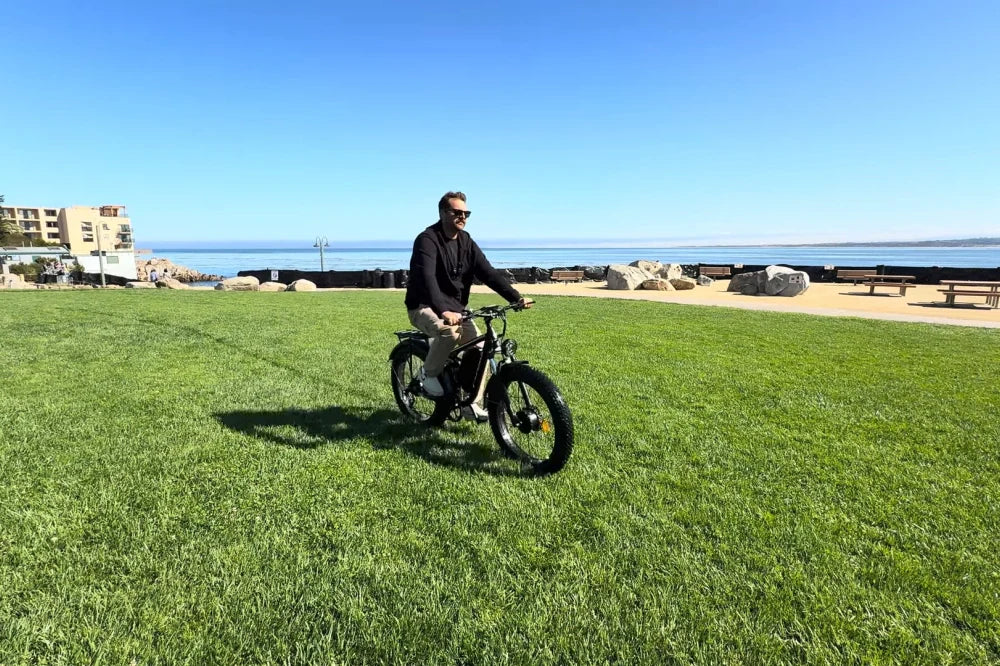
In recent years, the fat tire bike has evolved from a niche outdoor machine into one of the most popular categories in modern cycling. Riders today want more than smooth pavement performance — they want versatility, stability, and the confidence to explore different terrains.
At FENGQS, we’ve seen how fat tire bikes redefine comfort and traction for both city commuters and off-road adventurers. Whether you're navigating sandy beaches, snowy paths, or uneven urban streets, a fat tire bike delivers a stable and enjoyable ride.
This guide breaks down the key pros and cons of a fat tire bike and helps you decide whether it’s the right choice for your riding style.
What Is a Fat Tire Bike?
A fat tire bike features oversized tires — typically 4 inches wide or more — designed to increase ground contact and traction. The wider footprint allows the bike to float over soft surfaces instead of digging into them.
Fat tire bikes are commonly used on:
- Sand
- Snow
- Gravel
- Forest trails
- Rocky terrain
When combined with electric assistance, as seen in models like the FENGQS Q8 Plus and FENGQS H6 Pro, riders gain both power and terrain adaptability 🚵.
Pros of a Fat Tire Bike
1. Exceptional Traction
The biggest advantage of a fat tire bike is grip. Wider tires distribute weight evenly, improving control on soft or slippery terrain. This makes them ideal for beach riding, snow paths, and loose gravel surfaces.
2. Increased Stability
Fat tire bikes feel naturally balanced. The large contact area provides added confidence, especially for beginners or riders tackling uneven ground.
3. Superior Comfort
Because fat tires operate at lower air pressure, they absorb shocks effectively. The result is a smoother ride across cracked pavement or trail obstacles. When paired with electric support, like the FENGQS Q8, long-distance riding becomes noticeably less tiring.
4. All-Terrain Versatility
One of the main reasons fat tire bikes are growing in popularity is flexibility. A single bike can handle commuting during the week and trail adventures on weekends.
Cons of a Fat Tire Bike
1. Heavier Weight
Fat tire bikes generally weigh more due to reinforced frames and larger wheels. While electric motors offset much of this difference, traditional pedaling may feel heavier compared to road bikes.
2. Higher Rolling Resistance
On smooth pavement, wider tires create more friction. This can slightly reduce pedaling efficiency, although many riders consider the added comfort worth the trade-off.
3. Storage Space
The larger tire width means more storage space is required. Riders with compact living areas should plan accordingly.
Who Should Choose a Fat Tire Bike?
A fat tire bike is ideal for:
- Outdoor adventure enthusiasts
- Commuters riding on uneven city roads
- Beach and snow riders
- Beginners seeking added stability
- Anyone wanting a confident and comfortable ride
Why Fat Tire Bikes Continue to Grow in Popularity
Modern cyclists want freedom beyond paved roads. Fat tire bikes combine traction, comfort, and durability, making them one of the fastest-growing segments in the electric bike market.
At FENGQS, our fat tire electric bikes are built for real-world conditions. Models like the Q8 Plus and H6 Pro showcase our commitment to stability and performance across diverse terrains.
This winter ❄️, enjoy a free accessory gift pack with selected purchases — a great opportunity to upgrade your ride.
Final Thoughts
A fat tire bike isn’t just about wider tires — it’s about expanded possibilities. From snow-covered paths to sandy beaches and urban streets, the stability and comfort of a fat tire bike can transform your riding experience.
Explore the full collection at FENGQS and discover how a fat tire bike can take your adventures further.
Share:
Motorized Bike: Everything You Need to Know in 2026
What Is an Ebike? A Complete Beginner’s Guide in 2026